What if your credit cards and IDs are missing?
August 19, 2026







Get latest updates on Panzer IT security solutions and product news
Cybersecurity has become a critical priority for businesses of every size. Organizations rely on digital systems to manage customer information, financial records, employee data, business applications, and daily operations. Without proper security measures, this information can be exposed to cyberattacks, data breaches, ransomware, and unauthorized access.
A strong cybersecurity strategy helps businesses protect sensitive information, reduce security risks, maintain customer trust, and ensure business continuity. Rather than relying on a single security tool, organizations should implement multiple layers of protection across their IT infrastructure.
The essential cybersecurity measures every business should follow to strengthen its security posture and protect critical business assets.
1. Implement Strong Identity and Access Management
Unauthorized access is a significant security risk for organizations. Businesses should ensure that employees, contractors, and third parties can access only the systems and information required for their roles.
Use strong, unique passwords and multi-factor authentication (MFA).Review user access permissions regularly.Remove access promptly when employees leave or change roles.Apply the principle of least privilege.Monitor privileged accounts used to administer critical systems.Identity and Access Management (IAM) helps organizations manage user identities and access permissions. Privileged Access Management (PAM) adds controls for high-risk administrative accounts, helping reduce the risk of misuse and unauthorized access.
2. Keep Software and Systems Updated
Outdated software and operating systems can contain vulnerabilities that attackers exploit to enter business networks. Regular updates and security patches help close known security gaps.
Businesses should establish a patch management process covering operating systems, business applications, servers, network devices, and security solutions.
Enable automatic updates wherever appropriate.Prioritize critical and actively exploited vulnerabilities.Maintain an inventory of hardware and software assets.Replace unsupported applications and operating systems.Regularly review systems for missing security patches.3. Protect Endpoints Against Malware and Ransomware.
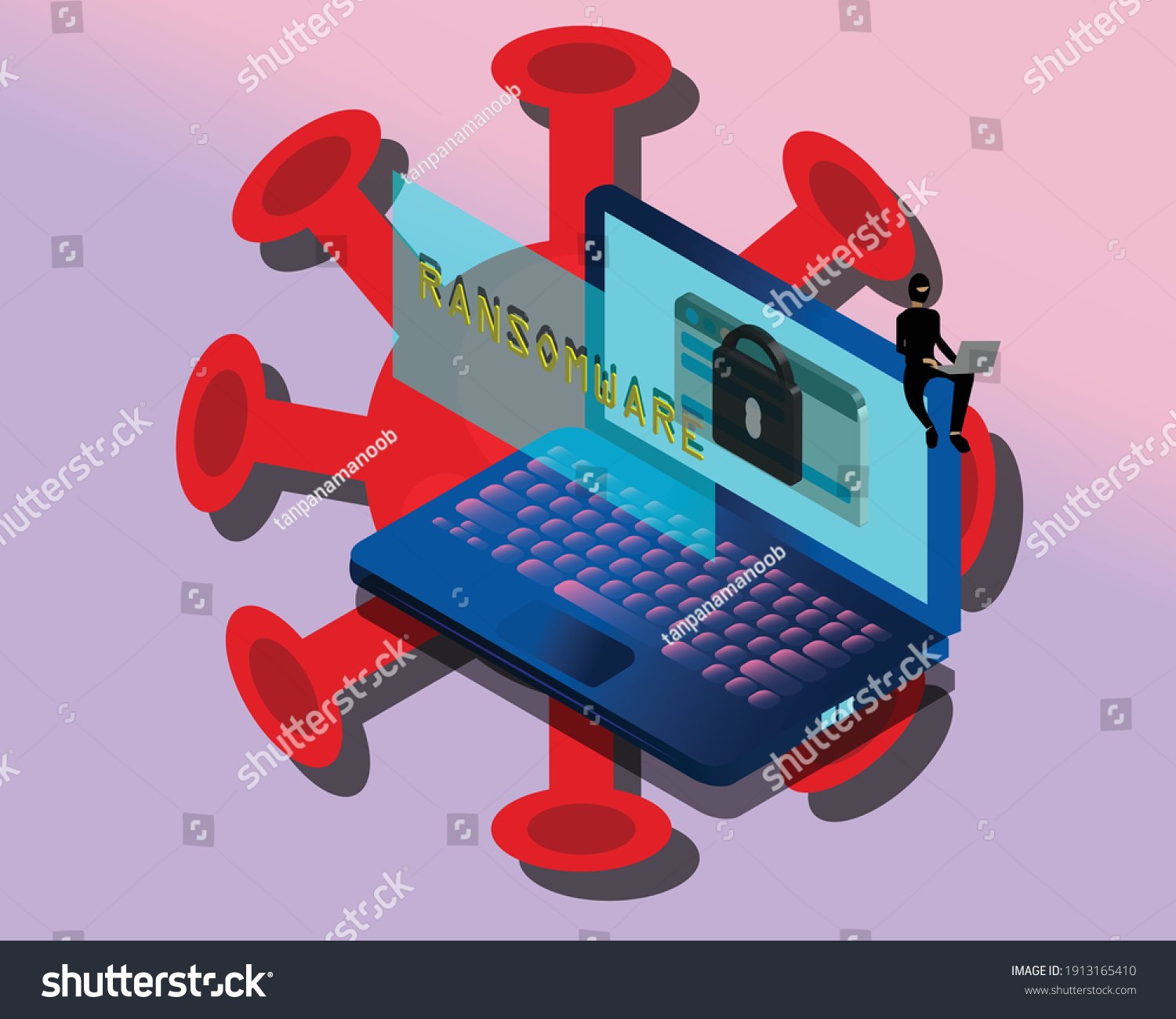
Laptops, desktops, servers, and other connected devices can become entry points for cyberattacks. Malware and ransomware can compromise systems, disrupt operations, and expose sensitive information.
Organizations should deploy suitable endpoint security solutions and ensure they are regularly updated and monitored.
Important measure.
Use reputable endpoint protection or Endpoint Detection and Response (EDR) solutions.Monitor suspicious processes and unusual device activity.Restrict unauthorized software installations.Isolate potentially compromised devices quickly.Establish procedures for investigating and responding to endpoint threats.Endpoint security should be part of a broader cybersecurity strategy that also includes access controls, network protection, and regular backups.
4. Train Employees to Recognize Cyber Threats
Employees play an important role in protecting organizational information. Phishing emails, fake login pages, malicious attachments, and social engineering can trick users into revealing credentials or downloading harmful software.
Regular cybersecurity awareness training helps employees recognize suspicious activity and respond appropriately.
Conduct periodic cybersecurity awareness sessions.Teach employees how to identify phishing emails and suspicious links.Encourage immediate reporting of suspected security incidents.Explain safe handling of confidential business information.Conduct simulated phishing exercises where appropriate.Building a security-conscious workplace helps reduce avoidable risks and encourages employees to take an active role in protecting company assets.
5. Secure Business Networks and Remote Access
Network security helps protect the communication between devices, applications, servers, and external systems. Weak network configurations can expose businesses to unauthorized access and lateral movement by attackers.
Organizations should implement appropriate firewalls, network segmentation, secure remote access, and continuous monitoring.
Configure firewalls to restrict unnecessary traffic.Separate critical systems from general user networks.Secure remote connections with MFA.Change default credentials on network devices.Review network configurations and access rules regularly.Monitor unusual traffic and unauthorized connection attempts.A well-designed network security strategy helps limit the spread of threats if one device or account is compromised.
6. Implement Data Loss Prevention and Data Protection Controls
Business data is one of an organization's most valuable assets. Sensitive information may include customer records, financial documents, intellectual property, employee details, and confidential business communications.
Data Loss Prevention (DLP) solutions help organizations identify, monitor, and control the movement of sensitive information across endpoints, email, networks, and other supported channels.
Classifying data according to sensitivity.Restricting unauthorized copying, uploading, or sharing of confidential files.Applying encryption to sensitive information where appropriate.Monitoring data transfers and suspicious user activity.Reviewing access permissions for shared folders and cloud applications.Establishing clear policies for data handling and retention.Effective data protection combines technology, employee awareness, and well-defined security policies.
7. Maintain Regular Backups and Disaster Recovery Plans
Even with strong security controls, organizations must prepare for incidents such as ransomware, accidental deletion, hardware failure, and system outages.
Regular backups help businesses restore important data and resume operations after disruption.
Scheduling backups according to business requirements.Keeping protected copies separate from production systems.Using offline or immutable backups where appropriate.Encrypting backups and restricting administrative access.Testing restoration procedures regularly.Maintaining a disaster recovery plan with defined recovery objectives.Backups are valuable only when they can be restored successfully. Regular recovery testing helps verify that critical business data remains available when needed.
8. Monitor Systems and Detect Suspicious Activity
Cybersecurity is not a one-time activity. Organizations need visibility into user activity, system events, network traffic, and security alerts to identify potential threats early.
Continuous monitoring can help security teams investigate suspicious logins, unusual data transfers, unauthorized privilege changes, and other indicators of compromise.
Collect and review logs from important systems.Monitor privileged account activity.Establish alerts for suspicious or unusual behaviour.Investigate security incidents promptly.Consider SIEM solutions to centralize and analyze security logs.Monitoring improves an organization's ability to identify threats and respond before an incident causes greater damage.
9. Conduct Regular Security Assessments and Vulnerability Testing
Security weaknesses can exist in applications, networks, servers, configurations, and business processes. Regular assessments help organizations identify and address these gaps before attackers exploit them.
Vulnerability assessments to identify known weaknesses.Vulnerability Assessment and Penetration Testing (VAPT) to evaluate security exposure.Configuration reviews for critical systems.Access control and privilege reviews.Remediation tracking and follow-up testing.Organizations should prioritize findings according to their severity, exploitability, and potential business impact. Security testing should be performed with appropriate authorization and a clear scope.
10. Establish a Cybersecurity Incident Response Plan
When a security incident occurs, a clear response plan helps an organization act quickly and reduce disruption.
An incident response plan should define responsibilities, escalation procedures, communication channels, containment measures, recovery steps, and post-incident reviews.
Identify the people responsible for incident response.Establish a process for reporting suspected incidents.Prepare procedures for isolating compromised devices and accounts.Maintain reliable backups and recovery documentation.Test the response plan through tabletop exercises or simulations.Review lessons learned after incidents and update security controls.Preparedness helps organizations make informed decisions under pressure and restore normal operations more effectively.
Cybersecurity requires a proactive and layered approach. Strong identity controls, updated systems, endpoint protection, employee awareness, data protection, regular backups, continuous monitoring, and security assessments all contribute to a stronger security posture.
Every organization should assess its business risks, identify critical assets, and prioritize security measures according to its operational needs. Regular reviews and improvements help businesses adapt to evolving cyber threats while protecting sensitive data and maintaining business continuity.
Strengthen Your Organization's Cybersecurity with Panzer IT
Panzer IT helps organizations secure identities, infrastructure, and critical data through integrated cybersecurity, data protection, backup and disaster recovery, and compliance solutions.
From identity and privileged access management to endpoint security, data loss prevention, and vulnerability assessment, the right combination of security measures can help organizations build a more resilient IT environment.
Visit Panzer IT to explore cybersecurity solutions for your organization or contact our team to discuss your security requirements.
August 19, 2026

October 24, 2023